Disediakan oleh: Dr. Mohd Rashidi Abdull Manap AMRSC, FSSM |
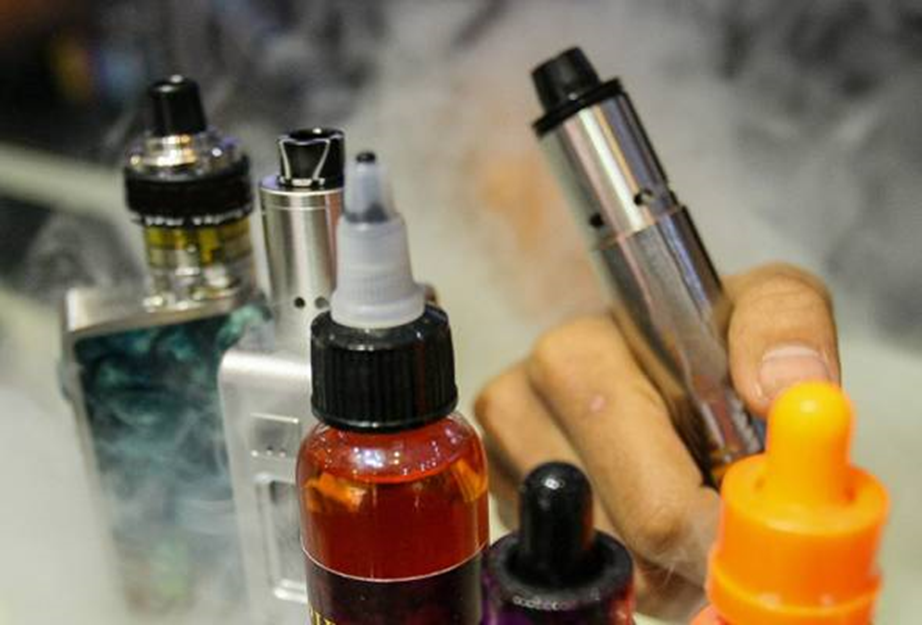
Memandangkan populariti vape terus berkembang, peraturan mengenai kepekatan nikotin dalam e-cecair memainkan peranan penting dalam memastikan keselamatan pengguna dan menyeragamkan industri. Artikel ini akan merumuskan perbandingan bagi tujuan perundangan mengawal tahap kepekatan nikotin dalam e-cecair. Juga, memberi analisis tentang rumusan peraturan di sebahagian negara Asia Tenggara dan negara lain. Analisis ini menumpukan peraturan nikotin dalam dalam e-cecair di Kanada, Emiriah Arab Bersatu dan New Zealand, sambil juga mengkaji garis panduan yang sedang berkembang di negara-negara Asia Tenggara terutama di Malaysia.
Peraturan Kepekatan Nikotin dalam Produk Vape (SOR/2021-123) di Kanada menguatkuasakan had kepekatan nikotin maksimum yang ketat untuk produk vape. Sama ada keluaran tempatan atau import, produk vape yang dijual di Kanada mesti mematuhi kepekatan nikotin maksimum yang dibenarkan iaitu 20 mg/ml.
Di Emiriah Arab Bersatu, Pihak Berkuasa Emiriah untuk Standardisasi dan Metrologi (ESMA) telah mengeluarkan piawaian AE.S 5030:2018, yang menetapkan kandungan nikotin dalam cecair elektronik pada maksimum 20 mg/ml. Pematuhan dengan piawaian ini memastikan kepekatan nikotin kekal di bawah atau sama dengan had yang ditetapkan.
Begitu juga di New Zealand, Akta Persekitaran Bebas Asap Rokok dan Produk Terkawal (Vaping) New Zealand 2020 juga menetapkan kepekatan nikotin maksimum 20 mg/ml untuk e-cecair. Mana-mana e-cecair yang dijual atau dibekalkan di New Zealand mesti mematuhi peraturan ini, memastikan paras nikotin tidak melebihi 20 mg setiap mililiter cecair.
Di negara-negara Asia Tenggara seperti Singapura, Filipina dan Malaysia, penjualan, pengimportan dan pengedaran e-cecair yang mengandungi nikotin pada masa ini dilarang sehingga Mac 2023. Memandangkan peraturan di negara-negara ini terus berkembang, adalah penting untuk individu dan perniagaan dalam industri vape untuk terus mendapat maklumat terkini mengenai garis panduan terkini daripada pihak berkuasa masing-masing.
Akta Racun Malaysia 1952 mengawal pengendalian produk yang mengandungi nikotin dan nikotin di Malaysia, mengehadkan pengendaliannya kepada individu yang dibenarkan seperti doktor dan ahli farmasi berdaftar. Walau bagaimanapun, nikotin dalam tembakau dikecualikan daripada klasifikasi ini. Untuk menangani pengesahan e-cecair di Malaysia dengan berkesan, peraturan diperlukan untuk mengehadkan jualan kepada orang dewasa berumur 18 tahun ke atas, mengawal selia amalan jualan dan pemasaran, dan memantau dengan teliti komposisi ramuan.
Secara global, peraturan kepekatan nikotin dalam e-cecair tidak setara. Walaupun negara seperti Kanada, Arab Saudi dan New Zealand telah melaksanakan had maksimum yang ketat, negara-negara Asia Tenggara masih dalam proses memperhalusi garis panduan mereka. Di Malaysia. terdapat kepentingan mewujudkan peraturan yang komprehensif e-liquid dan ia tidak boleh di perlengahkan, kerana ia memastikan keselamatan pengguna dan menyediakan rangka kerja industri yang adil dan telus. Melangkah ke hadapan, pemantauan berterusan dan kemas kini kepada peraturan akan menjadi penting untuk menangani cabaran yang muncul dan mengekalkan integriti industri vaping.
Mengenai Penulis:
 |
Dr. Mohd Rashidi Abdull Manap AMRSC, FSSM |
Jabatan Kimia
Fakulti Sains, Universiti Putra Malaysia
Bidang Kepakaran: Kimia Analisis, Spektroskopi
FTIR dan Raman, Kimia Kuantum, Bahan Psikoaktif
Novel, Pencirian Aerosol.
E-mel: rashidichemistry@upm.edu.my
|
Tarikh Input: 31/07/2024 | Kemaskini: 31/07/2024 | hidayahsaleh
PERKONGSIAN MEDIA